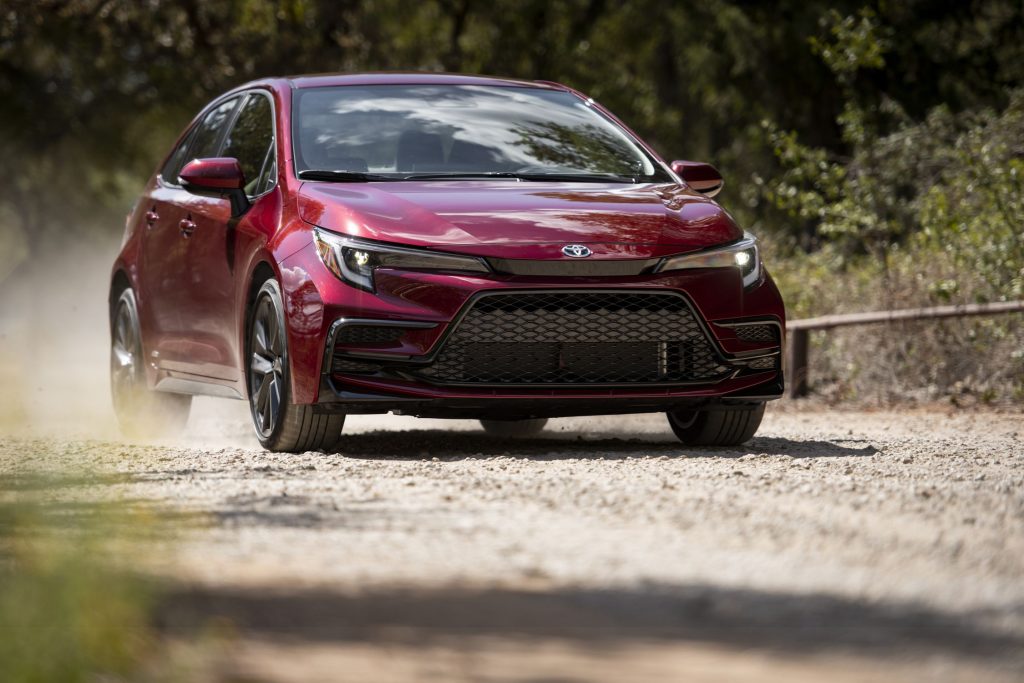
Top 10 Fuel-Saving Tips for Your Vehicle
Improving your vehicle's fuel efficiency not only helps the environment but also saves you money at the pump. Here are the Top 10 Fuel-Saving Tips for Your Vehicle:
- Keep your engine tuned: A well-maintained engine runs more efficiently and consumes less fuel. Regular check-ups can prevent issues that lead to poor fuel economy.
- Check tire pressure: Under-inflated tires create more rolling resistance, which can reduce your mileage. Ensure your tires are inflated to the manufacturer's recommended pressure to enhance fuel efficiency.
- Reduce excess weight: Carrying heavy loads can significantly impact your vehicle's fuel consumption. Remove unnecessary items from your car to improve its mileage.
- Use cruise control: On highways, maintaining a constant speed with cruise control can improve fuel efficiency. It prevents unnecessary acceleration and deceleration.
Additionally, adopting smart driving habits can make a notable difference in your fuel savings. Top 10 Fuel-Saving Tips for Your Vehicle also include:
- Avoid aggressive driving: Sudden starts and hard stops can waste fuel. Drive smoothly and anticipate traffic flow to enhance fuel efficiency.
- Combine trips: Plan your errands in a way that minimizes driving time and distance. This helps to conserve fuel and reduces overall emissions.
- Limit idling: Turn off your engine if you expect to be stopped for more than a minute. Idling consumes more fuel than restarting your engine.
- Use air conditioning wisely: Air conditioning can increase fuel consumption. Whenever possible, roll down your windows, especially at lower speeds.
- Choose the right fuel: Make sure to use the fuel grade recommended by your vehicle's manufacturer for optimal performance. You can consult [Consumer Reports](https://www.consumerreports.org/cro/cars/2015/07/gasoline-savings-tips/index.htm) for more details on fuel choices.
How Tire Pressure Affects Fuel Efficiency
Tire pressure plays a critical role in determining your vehicle's fuel efficiency. When tires are under-inflated, they create more rolling resistance, meaning your engine has to work harder to move your vehicle. According to the U.S. Department of Energy, keeping your tires inflated to the recommended pressure can improve your fuel economy by up to 3%. Not only does this save you money at the pump, but it also reduces greenhouse gas emissions, making it an environmentally friendly practice that benefits everyone.
To ensure optimal fuel efficiency, it's essential to regularly check your tire pressure, especially during changes in temperature. Cold weather can cause tire pressure to drop, while heat can cause it to rise, so maintaining the correct pressure is crucial. The National Highway Traffic Safety Administration recommends checking tire pressure monthly and before long trips. By dedicating just a few minutes to this simple maintenance task, you can significantly enhance your vehicle's performance and longevity, all while saving money on fuel.
Is Your Driving Style Impacting Your Fuel Consumption?
Your driving style can significantly impact your vehicle's fuel consumption. Aggressive driving behaviors, such as rapid acceleration, hard braking, and excessive speeding, can lead to decreased fuel efficiency. According to the U.S. Department of Energy, smooth driving techniques can improve your mileage by as much as 20% in stop-and-go traffic. Simple adjustments like maintaining a steady speed and anticipating stops can help you use less fuel while also contributing to safer driving practices.
In addition to aggressive driving, other factors like idling, excessive use of air conditioning, and carrying unnecessary weight in your vehicle also play a role in fuel consumption. The Edmunds website notes that turning off your engine while parked or waiting can save gas and reduce emissions. By being mindful of your driving habits and making small changes, you can not only save money at the pump but also promote better vehicle performance and environmental sustainability.