5 Proven Study Techniques for Academic Success
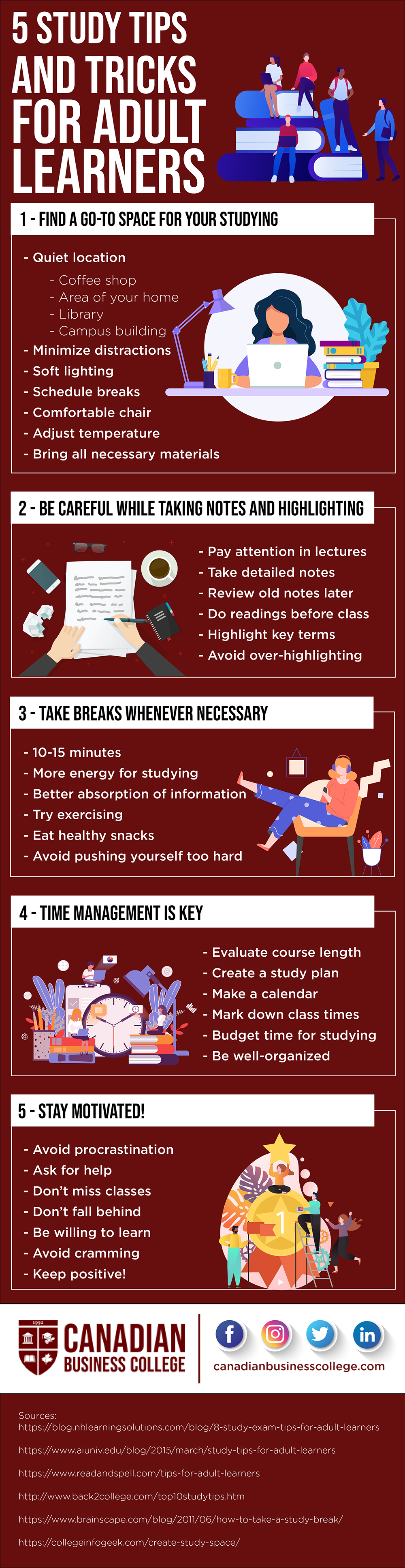
Academic success hinges on effective study techniques. Here are five proven methods to enhance your learning experience:
- Active Recall: Actively engage with the material by testing yourself frequently. Instead of passively reading your notes, create flashcards or quizzes to reinforce your memory and understanding.
- Spaced Repetition: Utilize spaced repetition by reviewing information at increasing intervals. This technique leverages the psychological spacing effect, which helps consolidate knowledge for long-term retention.
- Pomodoro Technique: Break your study sessions into focused intervals, typically 25 minutes of concentrated work followed by a 5-minute break. This enhances productivity and keeps you mentally fresh.
- Summarization: After learning a concept, take a moment to summarize it in your own words. Writing down key points not only reinforces your understanding but also helps identify areas that require further review.
- Study Groups: Collaborate with peers to strengthen your learning. Group discussions encourage different perspectives and clarify difficult topics, making studying a more interactive and enjoyable experience.
How to Create a Stress-Free Study Routine
Creating a stress-free study routine begins with understanding your personal learning style and the specific requirements of your courses. Start by assessing your peak concentration times and structuring your study schedule around those hours. For example, if you’re most alert in the morning, allocate that time for challenging subjects. Additionally, incorporate regular breaks to recharge your mind and maintain productivity. An effective study routine can be laid out as follows:
- Identify your optimal study times.
- Break subjects into manageable chunks.
- Schedule short breaks after focused study sessions.
Another crucial aspect of a stress-free study routine is to create a dedicated and organized study space free from distractions. Ensure that your study area is well-lit, comfortable, and stocked with all necessary materials such as textbooks, stationery, and a computer. Consider using tools like planners or digital apps to keep track of deadlines and assignments. It can be beneficial to set specific, achievable goals for each study session, allowing you to measure your progress and stay motivated. Remember, consistency is key; aim for daily study habits rather than cramming sessions, which can lead to increased stress levels.
Are You Studying Effectively? Signs You Should Change Your Method
Effective studying is essential for academic success, but how do you know if your methods are truly working for you? Here are some signs you should change your method:
- Consistent low grades: If you find yourself struggling to achieve your desired grades despite putting in hours of study time, it might be a clear indication that your approach isn’t effective.
- Lack of retention: Do you struggle to remember information shortly after studying? If the material seems to slip away too quickly, it’s time to reevaluate your study techniques.
Moreover, consider if you are feeling overwhelmed or burnt out. Prolonged stress and fatigue can be signs that your study method isn’t sustainable. It might be helpful to experiment with different styles such as:
- Active recall techniques
- Distributed practice
- Study groups or peer tutoring